亞洲🌙 亞洲🌙
遊客
海报背景
荣耀六十年海报图片

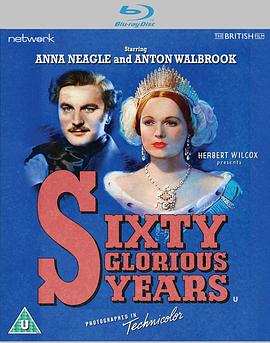
荣耀六十年

备注 :HD中字
更新 :2025-07-07 19:54:22
1938·英国·剧情 剧情片 电影 ·英语·
立即播放
收藏
5.0
网友评分
  • 很差
  • 较差
  • 还行
  • 推荐
  • 力荐
630次评分
  • 很差
  • 较差
  • 还行
  • 推荐
  • 力荐
扫描观看

扫描一扫app播放

Sixty Glorious Years is an exercise in the creation of iconography, both for Victoria and its star, Anna Neagle (who subsequently became known as 'Regal Neagle'). Just as Elizabeth I commissioned artists to create flattering iconic images for public consumption, so this film performs a similar function, for Neagle is more beautiful than the real life Victoria. Controversial events (such as the 'Irish problem') are omitted and unpleasant aspects of Victoria's character (her petulance, arrogance, favouritism and 'right to privilege') are glossed over as endearing little 'whims'. Albert acts as a moderating influence when she goes too far.  The film followed a year after the highly successful Victoria the Great (d. Herbert Wilcox, 1937). Again the screenplay is by Miles Malleson and Robert Vansittart, and many of the supporting cast (the cream of acting talent of period) repeat their roles, this time for the colour cameras. This was the first full length Technicolor film of cinematographer Freddie Young, who captures the spectacle of royal weddings, grand balls and opulent interiors, with scenes actually filmed at royal palaces. Vivid battle scenes, set in Alexander Korda's empire territory (Sevastopol and the Sudan), rival those in The Four Feathers (d. Zoltan Korda 1939).  The title music sets the tone a regal choir sings over a shot of the crown. Elgar's 1901 'Pomp and Circumstance' march is heard during the diamond jubilee celebrations and, as Victoria's coffin lies in state, the film concludes with Anthony Collins' stately music accompanied by the text of Rudyard Kipling's 'Lest we forget'. Combined with the emotional appeal of scenes of Victoria connecting with her 'ordinary folk', this is stirring stuff.  The film connects with contemporary events of 1938. The release of two celebratory royal films was intended to boost public affection for the monarchy in the wake of Edward VIII's abdication. Anglo-German relations were another touchy subject. With another war on the horizon, influential voices wanted appeasement, and the film could be seen to fit that agenda. Victoria herself was of mainly German descent, nicknamed 'the grandmother of Europe', while Albert is a 'good German', charmingly played by Anton Walbrook as a cultured, decent man.  Sixty Glorious Years now seems unduly formal and reverential. Had movies existed during Victoria's reign (they only emerged at the end) this might have been the kind of film produced. Unlike Mrs Brown (d. John Madden, 1997), it is all so very 'Victorian'.  Roger Philip Mellor
展开
无模块

资源列表

排序

相关明星

相关影片

更多
阿炳VS梁婆婆
梁婆婆VS阿炳 / Ah Beng VS Liang Po Po
我的人生我自摸
许瑞奇,郑斌辉,杨世彬,李静彦,陈廷丰,沈炜竣,叶荣耀,黄湘淋
天才姐妹
デュオ 1/2のピアニスト
捕星者
米奥德拉格·拉多尼奇,狄迪尔·弗拉蒙,Zana Markelson,小卡雷尔·赫尔曼尼克
爱人已死
格雷丝·格洛威克,莉亚·杜兹,Ben Petrie
球场上没有眼泪
In New Zealand's heartland, teams of aspiring female rugby players must shatter glass ceilings b
最美小镇
Vitrival - The Most Beautiful Village in the World,维特里瓦勒:世界上最美的村子
盲人恐惧
Erroll Shand , Simon Phillips , Jeff Hurrell
默默
亚历克萨·古德尔 , 马丁·弗瑞曼 , 阿拉洛因·奥舒雷米 , 金·波德尼亚 , 克拉斯·邦 , 劳拉·哈德克 , Jennifer Peterson , 大卫·舒特
龙之心灵界探访记
龍之心-靈界探訪記-(台) / Dragon Heart: Adventures Beyond This World
奥利维亚与无声震波
Olivia and the Invisible Earthquake‎
你的血肉爱你的三种方式
影片由三个独立又暗合主题的恐怖单元组成,分别对应三种极端扭曲的“爱你的方法”。第一个故事里,男人以爱为名将爱人禁锢在公寓中,偏执的控制欲一步步将关系与身体一同碾碎;第二个故事里,女人为维系濒临崩塌的感情不惜献祭自身血肉,用痛楚证明爱意的重量;第三个故事里,看似温柔的爱意背后藏着极致的占有执念,日常相处的细节里步步紧逼,最终将两人一同拖向毁灭。三种爱意,三条歧路,最终都指向同一个黑暗终点 —— 爱到极致,便是将你撕碎成只属于我的碎片
鬼导师
พี่วรรณมาสอน / 淒厲人師(台)
阴诡异闻集
Juan Abdias,凯利·库兰,阿兹里尔·答曼,凯文·迪,Ivan Djurovic,阿里·特拉舍尔
恶魔小队利齿与利爪
金杰·克雷斯曼,Billy Culbertson,Erin Lilley
  • 片名:荣耀六十年
  • 状态:HD中字
  • 主演:Anna Neagle Anton Walbrook C. Aubrey Smith Walter Rilla 
  • 导演:Herbert Wilcox 
  • 年份:1938
  • 地区:英国
  • 类型:剧情 剧情片 电影 
  • 频道:内详
  • 上映:未知
  • 语言:英语
  • 更新:2025-07-07 19:54
  • 简介:Sixty Glorious Years is an exercise in the creation of iconography, both for Victoria and its star, Anna Neagle (who subsequently became known as 'Regal Neagle'). Just as Elizabeth I commissioned artists to create flattering iconic images for public consumption, so this film performs a similar function, for Neagle is more beautiful than the real life Victoria. Controversial events (such as the 'Irish problem') are omitted and unpleasant aspects of Victoria's character (her petulance, arrogance, favouritism and 'right to privilege') are glossed over as endearing little 'whims'. Albert acts as a moderating influence when she goes too far.  The film followed a year after the highly successful Victoria the Great (d. Herbert Wilcox, 1937). Again the screenplay is by Miles Malleson and Robert Vansittart, and many of the supporting cast (the cream of acting talent of period) repeat their roles, this time for the colour cameras. This was the first full length Technicolor film of cinematographer Freddie Young, who captures the spectacle of royal weddings, grand balls and opulent interiors, with scenes actually filmed at royal palaces. Vivid battle scenes, set in Alexander Korda's empire territory (Sevastopol and the Sudan), rival those in The Four Feathers (d. Zoltan Korda 1939).  The title music sets the tone a regal choir sings over a shot of the crown. Elgar's 1901 'Pomp and Circumstance' march is heard during the diamond jubilee celebrations and, as Victoria's coffin lies in state, the film concludes with Anthony Collins' stately music accompanied by the text of Rudyard Kipling's 'Lest we forget'. Combined with the emotional appeal of scenes of Victoria connecting with her 'ordinary folk', this is stirring stuff.  The film connects with contemporary events of 1938. The release of two celebratory royal films was intended to boost public affection for the monarchy in the wake of Edward VIII's abdication. Anglo-German relations were another touchy subject. With another war on the horizon, influential voices wanted appeasement, and the film could be seen to fit that agenda. Victoria herself was of mainly German descent, nicknamed 'the grandmother of Europe', while Albert is a 'good German', charmingly played by Anton Walbrook as a cultured, decent man.  Sixty Glorious Years now seems unduly formal and reverential. Had movies existed during Victoria's reign (they only emerged at the end) this might have been the kind of film produced. Unlike Mrs Brown (d. John Madden, 1997), it is all so very 'Victorian'.  Roger Philip Mellor
视频
搜索历史
删除
热门搜索
本地记录 云端记录
登录账号